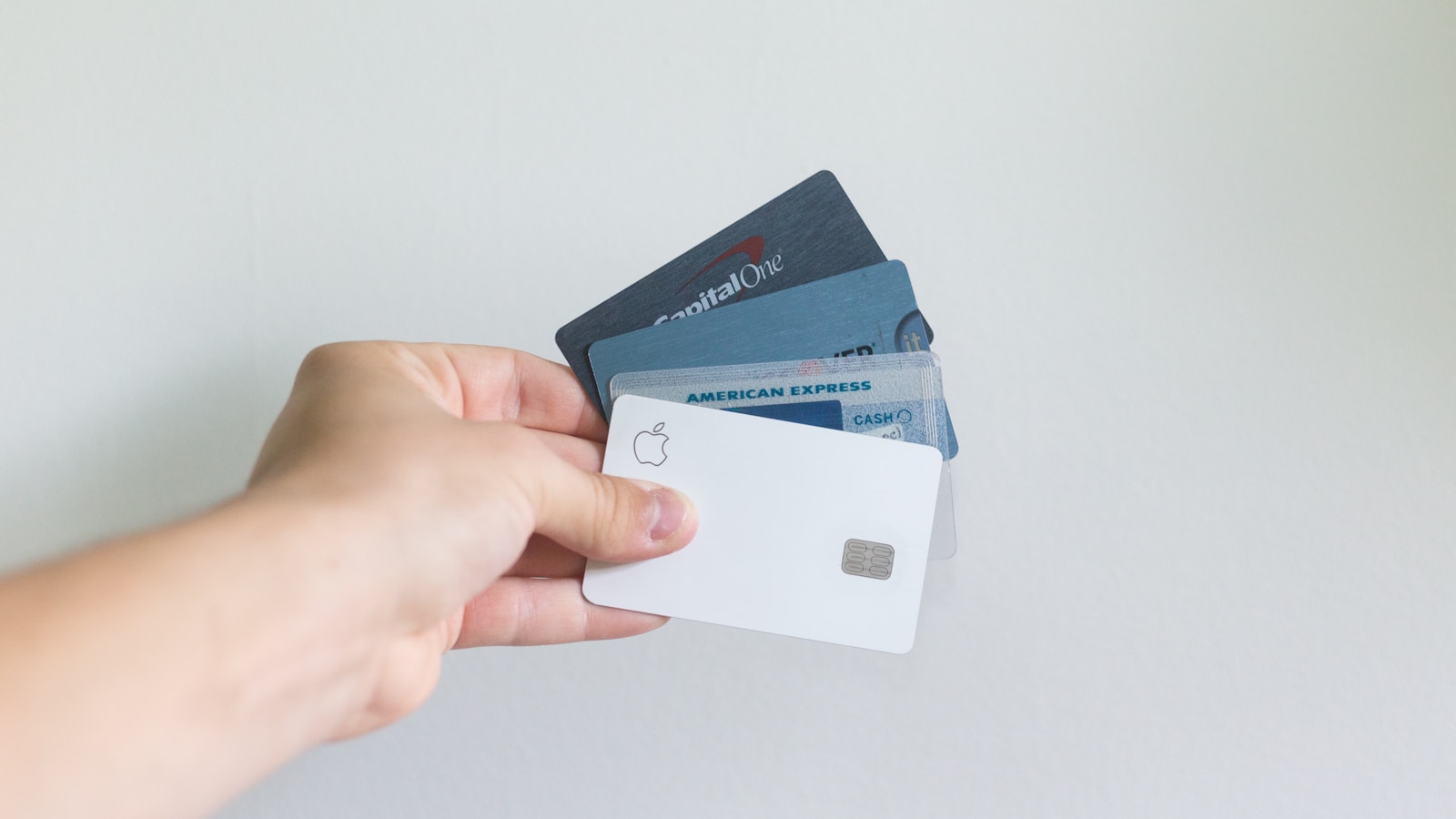
If you have bad credit—typically a FICO score below 580—qualifying for a standard credit card is tough. High-interest rates, strict approval requirements, and limited options often stand in the way. The good news is that specialized credit cards for bad credit in the USA can help you rebuild your score responsibly while providing access to credit. These cards, especially secured ones, report payments to all three major credit bureaus (Equifax, Experian, and TransUnion), helping improve your credit history over time.
In this detailed 2026 guide, we cover the best credit cards for bad credit, comparing secured and unsecured options. We evaluate them based on annual fees, security deposits, APRs, rewards, upgrade potential, and ease of approval. Whether you’re starting from scratch or recovering from financial setbacks, these cards offer a practical path forward. Always review the latest terms on the issuer’s website, as rates and offers can change.
Understanding Bad Credit and Credit Cards
Bad credit usually means a FICO score of 579 or lower (poor or very poor). Lenders see higher risk, so they offer cards with safeguards like security deposits or higher fees and APRs (often 25–36% variable).
Secured credit cards require a refundable security deposit that becomes your credit limit. They are easier to get approved for and excellent for beginners or those rebuilding.
Unsecured credit cards for bad credit need no deposit but are harder to qualify for. They often come with annual fees and higher APRs, though some provide rewards or milestone perks for on-time payments.
Key benefits of these cards include:
- Building positive payment history (35% of your FICO score).
- Lowering credit utilization (30% of score) by keeping balances low.
- Gaining access to credit for emergencies or building habits without predatory payday loans.
Note: These cards are tools for responsible use. Pay on time, every time, and aim to use less than 30% of your limit.
Factors to Consider When Choosing a Credit Card for Bad Credit
- Annual Fees and Other Costs: Look for $0 or low fees. Avoid cards with high monthly or processing charges.
- Security Deposit: Lower minimums (e.g., $49–$200) make cards more accessible.
- APR: Expect high rates; pay in full monthly to avoid interest.
- Rewards: Cash back or match programs add value, though rare on basic secured cards.
- Upgrade Path: Cards that review for unsecured versions or deposit refunds after 6–12 months of good behavior are ideal.
- Prequalification: Many issuers offer soft-pull pre-approvals that don’t hurt your score.
- Credit Reporting: Must report to all three bureaus.
Best Secured Credit Cards for Bad Credit in 2026
Secured cards are the most reliable starting point for bad credit. Here are top performers:
1. Discover it® Secured Credit Card — Best Overall for Rewards and Upgrade Potential
This card stands out for beginners and rebuilders. Minimum $200 security deposit (up to $2,500). No annual fee. Variable APR around 26.49%. Earn 2% cash back at gas stations and restaurants (up to $1,000 quarterly combined, then 1% on all purchases). Discover matches all first-year cash back earnings. Automatic review for unsecured upgrade and deposit refund after 7 months of responsible use. Reports to all bureaus and includes free FICO score access.
Pros: Strong rewards for a secured card, Cashback Match, upgrade path, fraud protection.
Cons: Deposit required; quarterly cap on bonus categories.
Best for: Those wanting cash back while rebuilding.
2. Capital One Platinum Secured Credit Card — Best for Low Deposit and Easy Approval
One of the most accessible options. Security deposit as low as $49, $99, or $200 (determined by credit). No annual fee. Variable APR around 28.99%. No rewards, but automatic credit line increase reviews after 6 months and potential upgrade to unsecured (with deposit refund). Free CreditWise score monitoring.
Pros: Very low minimum deposit, strong upgrade path, widely accepted.
Cons: No rewards.
Best for: Beginners or those with very limited funds for a deposit.
3. Capital One Quicksilver Secured Cash Rewards Credit Card — Best for Flat-Rate Cash Back
Minimum $200 deposit. No annual fee. Variable APR 28.99%. Unlimited 1.5% cash back on all purchases, plus 5% on hotels and rental cars booked through Capital One Travel. Potential higher limit after 6 months and upgrade path.
Pros: Simple rewards, no foreign transaction fees on many purchases.
Cons: Deposit required; standard APR.
Best for: Everyday spenders wanting straightforward cash back.
4. OpenSky® Secured Visa® Credit Card — Best for No Credit Check
No credit check required. Deposit from $200 to $3,000 (sets your limit). $35 annual fee. Variable APR around 23.89%. Some cash back offers (up to 10% at select merchants in some versions). Potential to graduate to unsecured.
Pros: Easiest approval, flexible deposit amounts.
Cons: Annual fee; limited rewards.
Best for: Applicants with very bad credit or recent bankruptcies.
5. Self Visa® Credit Card (or similar credit-builder secured options) — Best for Credit Mix Building
Pairs with a credit-builder loan/account. Deposit builds savings while providing a revolving credit line. Reports as a credit card. Often $0 annual fee.
Pros: Builds both installment and revolving credit.
Best for: Comprehensive credit profile improvement.
Best Unsecured Credit Cards for Bad Credit in 2026
Unsecured cards skip the deposit but may involve higher fees or stricter (though alternative) underwriting. They suit those with some positive recent history.
1. Credit One Bank® Platinum Visa® for Rebuilding Credit — Best for Rewards on Everyday Spending
No security deposit. Annual fee $75 first year, $99 thereafter. Variable APR around 29.74%. 1% cash back on gas, groceries, and select utilities/services. Automatic credit line increase reviews. Free credit score access.
Pros: Rewards in useful categories, unsecured.
Cons: Annual fee; high APR.
Best for: Those seeking perks despite bad credit.
2. OneMain Financial BrightWay® Card — Best Overall Unsecured
No deposit. Annual fee $0–$89. High APR (around 35.99%). Unlimited 1% cash back. Milestone rewards after on-time payments (e.g., limit increase or lower APR).
Pros: Incentives for responsible use.
Cons: High APR and potential fee.
Best for: Borrowers focused on credit-building milestones.
3. Mission Lane Visa® Credit Card (Green Line or similar) — Best Low-Cost Unsecured Option
No deposit. Annual fee $0–$59 (varies by profile). High APR (around 30%+). No rewards, but prequalification available and automatic limit increase consideration. Focuses on transparent pricing.
Pros: Potentially lower fees than typical subprime cards.
Cons: Limited perks.
Best for: Cost-conscious rebuilders.
4. Petal® 2 “Cash Back, No Fees” Visa® Credit Card — Best for No/Limited Credit History
No annual, late, or foreign transaction fees. Variable APR 28.24%–30.24%. Up to 1.5% cash back on purchases (after on-time payments) plus up to 10% at select merchants. Uses alternative data (banking activity) if no credit score.
Pros: Truly fee-free, rewards, Cash Score underwriting.
Cons: May not approve severe bad credit (damaged history).
Best for: Those with thin files rather than heavy negatives.
Comparison Table: Best Credit Cards for Bad Credit
| Card Name | Type | Annual Fee | Min. Deposit | APR (Variable) | Rewards | Key Advantage |
|---|---|---|---|---|---|---|
| Discover it® Secured | Secured | $0 | $200 | ~26.49% | 2% gas/restaurants + Match | Upgrade path & rewards |
| Capital One Platinum Secured | Secured | $0 | $49–$200 | ~28.99% | None | Lowest deposit option |
| Capital One Quicksilver Secured | Secured | $0 | $200 | ~28.99% | 1.5% cash back | Flat-rate rewards |
| OpenSky® Secured Visa | Secured | $35 | $200 | ~23.89% | Limited/select | No credit check |
| Credit One Platinum Visa | Unsecured | $75–$99 | $0 | ~29.74% | 1% gas/groceries | Everyday rewards |
| OneMain BrightWay | Unsecured | $0–$89 | $0 | ~35.99% | 1% cash back + milestones | On-time payment incentives |
| Mission Lane Visa | Unsecured | $0–$59 | $0 | ~30%+ | None | Low or no fee |
| Petal 2 Visa | Unsecured | $0 | $0 | 28–30% | Up to 1.5% + merchant bonuses | No fees, alternative data |
Tips to Get Approved and Build Credit Faster
- Prequalify — Use issuer tools for soft pulls.
- Prepare Your Application — Accurate income, address, and SSN details help.
- Fund the Deposit — Save in advance for secured cards.
- Use Responsibly — Pay the full balance monthly. Keep utilization under 30%.
- Monitor Progress — Check your score monthly (many cards offer free tools). Pull free weekly reports at AnnualCreditReport.com.
- Add Positive History — Become an authorized user on a family member’s good-standing card (if possible).
- Avoid New Applications — Too many hard inquiries hurt your score.
- Graduate When Ready — After 6–12 months of on-time payments, request upgrades or apply for better cards.
Pro Tip: Combine a secured card with a credit-builder loan (e.g., Self) for faster score improvement through credit mix.
Common Mistakes to Avoid
- Carrying a balance and paying only the minimum (interest compounds quickly).
- Maxing out the card (high utilization tanks scores).
- Ignoring fees that erode value.
- Applying for too many cards at once.
- Using the card for cash advances (high fees and APR).
Alternatives to Traditional Credit Cards
- Credit Builder Loans (e.g., Self, Kikoff) — Make payments that build savings and credit.
- Secured Loans or Accounts like Chime Credit Builder.
- Authorized User Status on a trusted person’s card.
- Rent and Utility Reporting Services (e.g., Experian Boost) for free score lifts.
- Credit Counseling through nonprofits like NFCC.org if debt is overwhelming.
Frequently Asked Questions (FAQ)
Can I get a credit card with bad credit?
Yes. Secured cards have the highest approval rates, even with scores below 550.
Do these cards help improve credit scores?
Yes, if you make on-time payments and keep balances low. Results vary; consistent positive activity over 6+ months typically shows gains.
What’s the difference between secured and unsecured cards for bad credit?
Secured requires a deposit but is easier to get and often has lower fees. Unsecured skips the deposit but may charge higher annual fees and have stricter approval.
How long until I can upgrade?
Many issuers review after 6–7 months. Responsible use (on-time payments, low utilization) is key.
Are there credit cards for bad credit with no fees?
Yes—options like certain Capital One or Petal cards minimize costs, though high APRs still apply if you carry balances.
Conclusion: Start Rebuilding Today
The best credit cards for bad credit in the USA in 2026 provide a realistic way to regain financial control and boost your score. Top choices like the Discover it Secured or Capital One Platinum Secured balance accessibility with features that reward good habits.
Remember: The card is a tool—your responsible use drives results. Start small, stay consistent, and track progress. In 6–12 months, you could qualify for better cards with lower rates and richer rewards.
Ready to apply? Prequalify with a few issuers today (no score impact) and choose the one that best matches your needs and budget. Responsible credit use today leads to stronger financial opportunities tomorrow.
This article is for informational purposes only and not financial advice. Terms, rates, and availability are subject to change. Always verify details directly with the card issuer before applying.